MOLTITUDINE - New Acoustic Concept
Design:
Francesco Pellisari
MOLTITUDINE - New Acoustic Concept
Design:
Francesco Pellisari


About the instrument
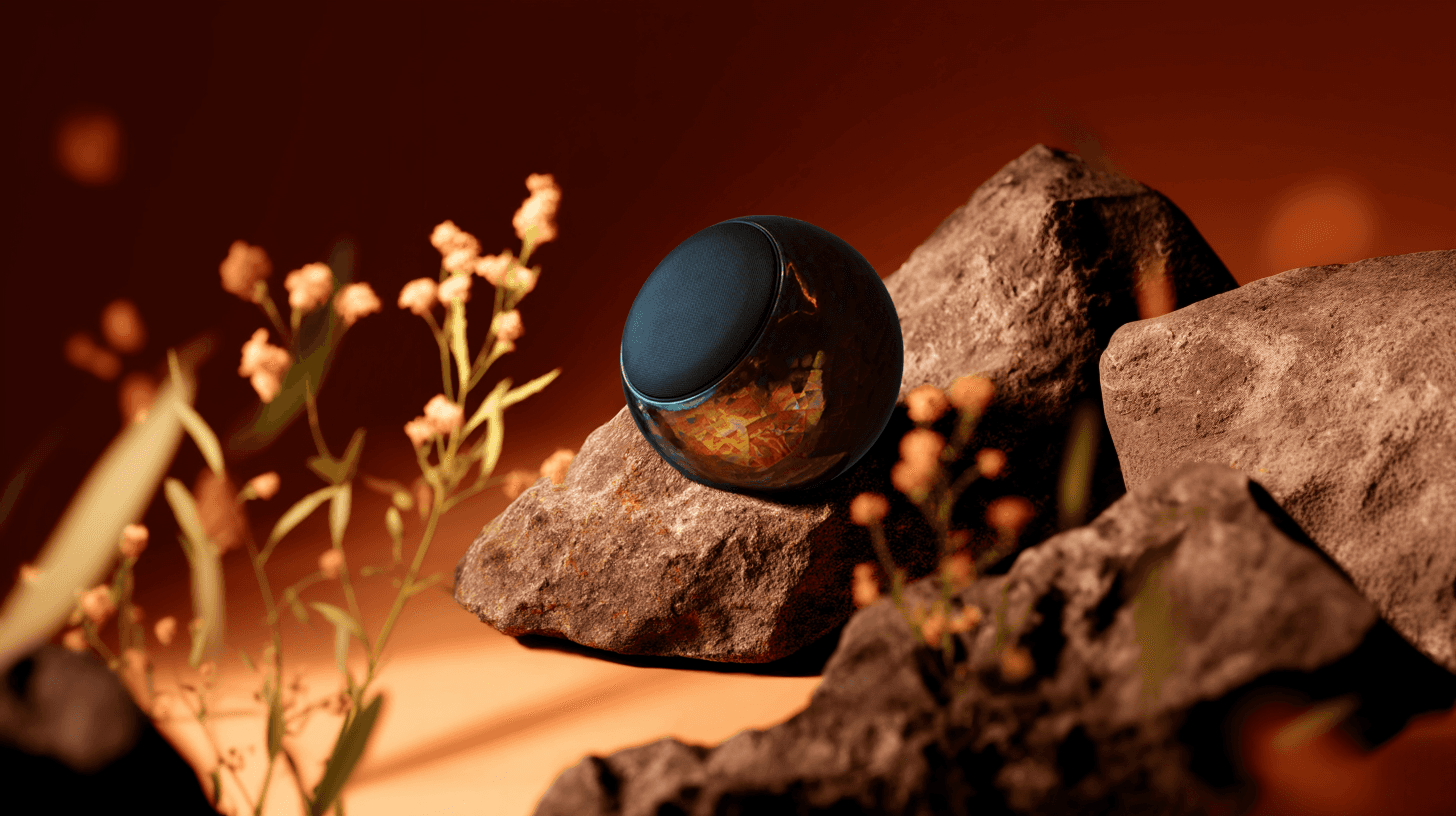
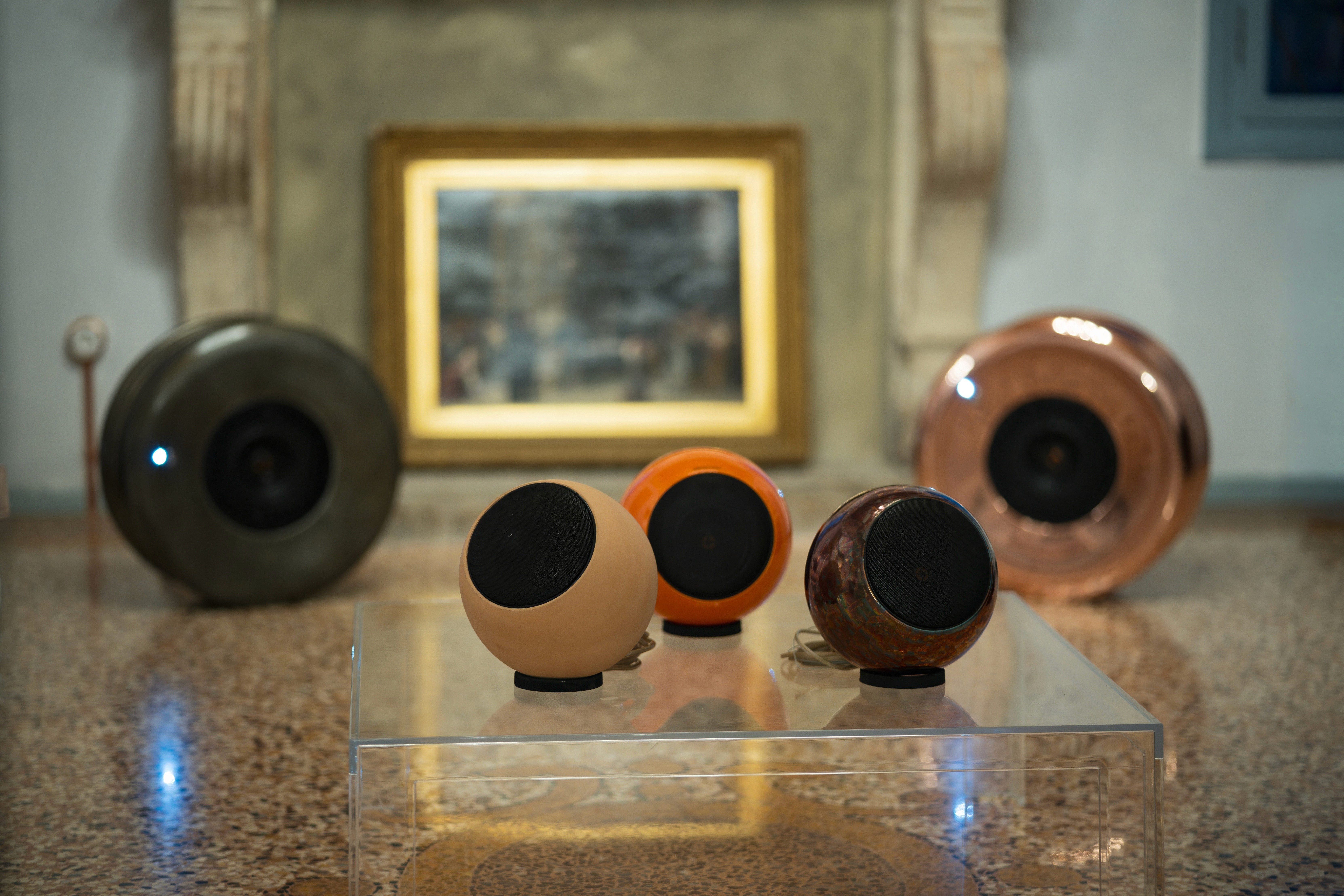
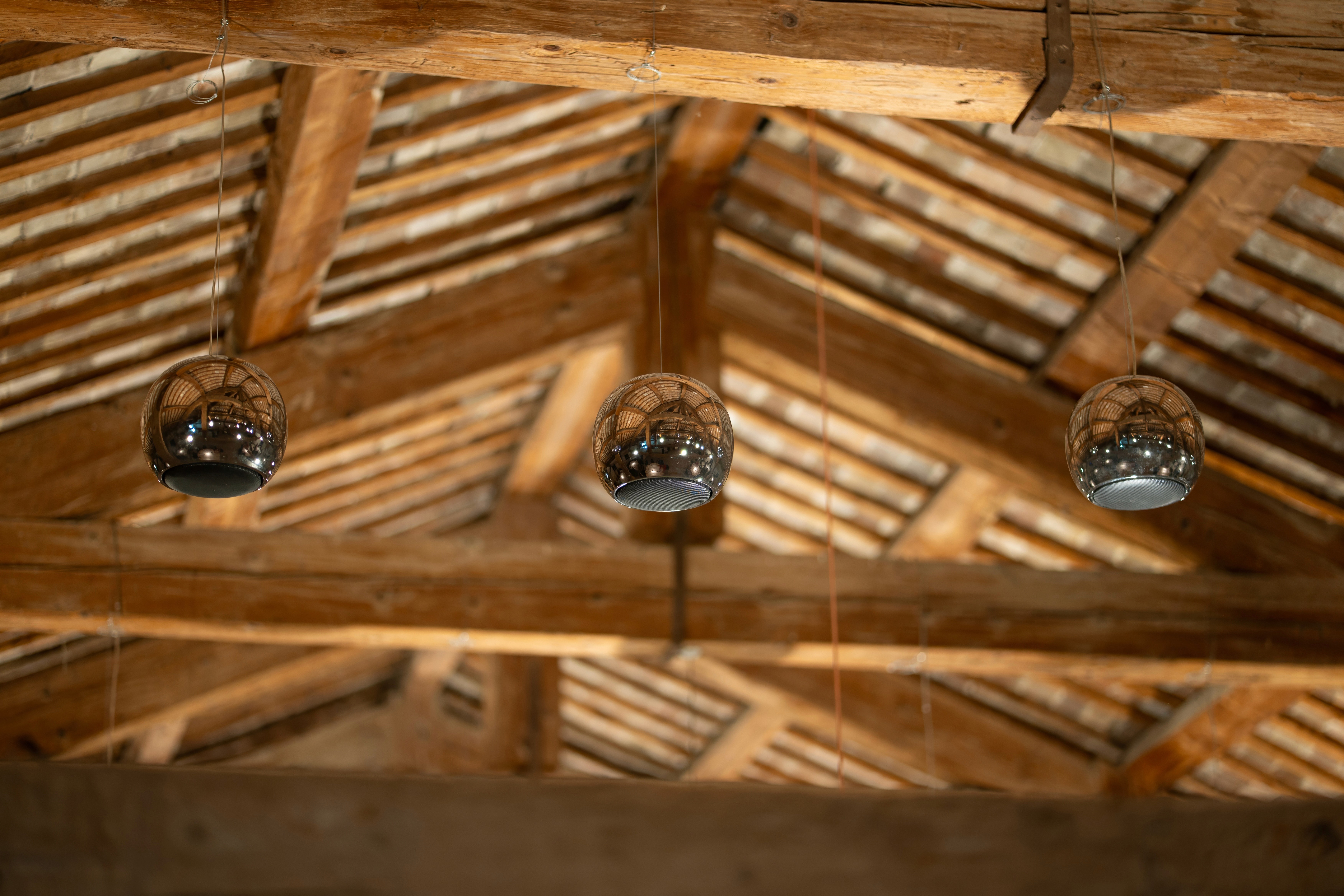
Moltitudine is a site-specific sound sculpture. Zemi, the single instrument, is the primordial cell from which an acoustic organism emerges. Moltitudine is a new acoustic concept developed by Francesco Pellisari. At its core is the principle of the omnidirectional non-coherent wave: a spatial sound field generated by multiple elementary cells connected to one another and operating with different phases. Each Zemi is the elementary cell of this sonic concept. When several Zemi are connected and independently controlled in phase, delay and intensity, they form Moltitudine. The purpose of Moltitudine is not simply to emit sound within a space. Its purpose is to enter into resonance with the place, activating its acoustic identity and allowing the listener to perceive the sound of the entire environment. A violin or a piano placed in any room does not produce an isolated sound. The instrument excites the surrounding space, and what we perceive is the sound of the instrument together with the acoustic response of the place. This principle is also present in Omni, another invention by Francesco Pellisari. Made of terracotta, Omni is conceived as a resonant acoustic body. Its material, form and internal volume participate directly in the creation of the sound. Terracotta is not used simply as an external covering or a decorative material. It becomes part of the acoustic process: it vibrates, resonates and contributes its own physical character to the emitted sound. In the same way, Moltitudine does not separate the sound source from the architecture. Through the interaction of multiple Zemi, connected with different phases, it generates an omnidirectional, spatial and non-coherent wave that spreads throughout the environment. The sound is not imposed from a single direction. It interacts with the surfaces, volumes, materials and natural resonances of the place, transforming the entire space into an active acoustic body. The listener therefore does not perceive only the emitted sound. The listener perceives the sound of the place itself. Zemi is the elementary cell. Moltitudine is the spatial organism.
Moltitudine is a site-specific sound sculpture. Zemi, the single instrument, is the primordial cell from which an acoustic organism emerges. Moltitudine is a new acoustic concept developed by Francesco Pellisari. At its core is the principle of the omnidirectional non-coherent wave: a spatial sound field generated by multiple elementary cells connected to one another and operating with different phases. Each Zemi is the elementary cell of this sonic concept. When several Zemi are connected and independently controlled in phase, delay and intensity, they form Moltitudine. The purpose of Moltitudine is not simply to emit sound within a space. Its purpose is to enter into resonance with the place, activating its acoustic identity and allowing the listener to perceive the sound of the entire environment. A violin or a piano placed in any room does not produce an isolated sound. The instrument excites the surrounding space, and what we perceive is the sound of the instrument together with the acoustic response of the place. This principle is also present in Omni, another invention by Francesco Pellisari. Made of terracotta, Omni is conceived as a resonant acoustic body. Its material, form and internal volume participate directly in the creation of the sound. Terracotta is not used simply as an external covering or a decorative material. It becomes part of the acoustic process: it vibrates, resonates and contributes its own physical character to the emitted sound. In the same way, Moltitudine does not separate the sound source from the architecture. Through the interaction of multiple Zemi, connected with different phases, it generates an omnidirectional, spatial and non-coherent wave that spreads throughout the environment. The sound is not imposed from a single direction. It interacts with the surfaces, volumes, materials and natural resonances of the place, transforming the entire space into an active acoustic body. The listener therefore does not perceive only the emitted sound. The listener perceives the sound of the place itself. Zemi is the elementary cell. Moltitudine is the spatial organism.

Design
:
Francesco Pellisari